K Units For Fourth Order Reaction
K Units For Fourth Order Reaction. In a first-order reaction , the reaction rate is directly proportional to the concentration of one of the reactants. This means that if the concentration is doubled, the rate will double.

Orders of reaction are a part of the rate equation.
Explicit reaction orders different from the stoichiometric coefficients are sometimes used for non-elementary reactions.
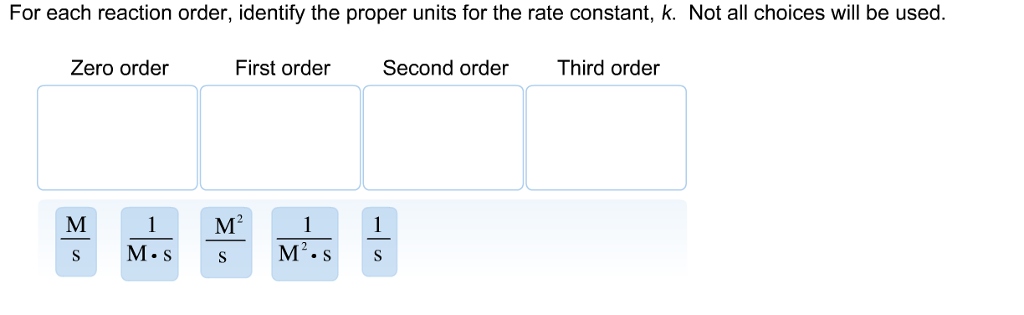
Solved: For Each Reaction Order, Identify The Proper Units ...
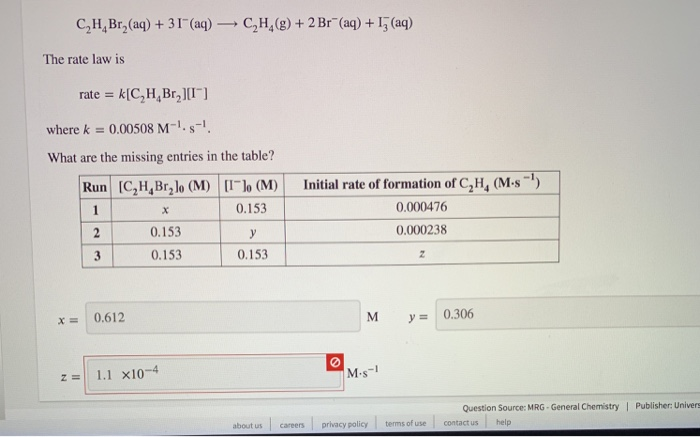
Units For Rate Constant K 3rd Order - slideshare

14.4: The Change of Concentration with Time (Integrated ...
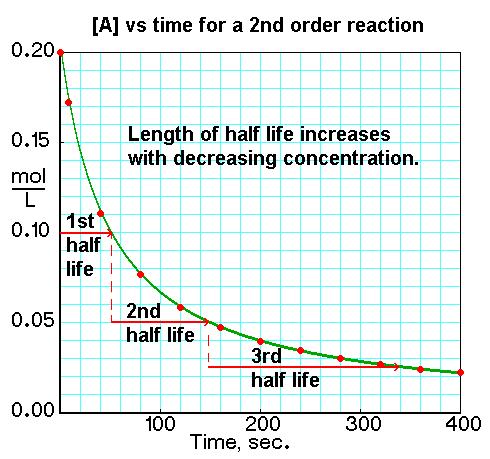
5.1.1 (d,e,f,g) Rate graphs and orders - Ellesmere OCR A ...
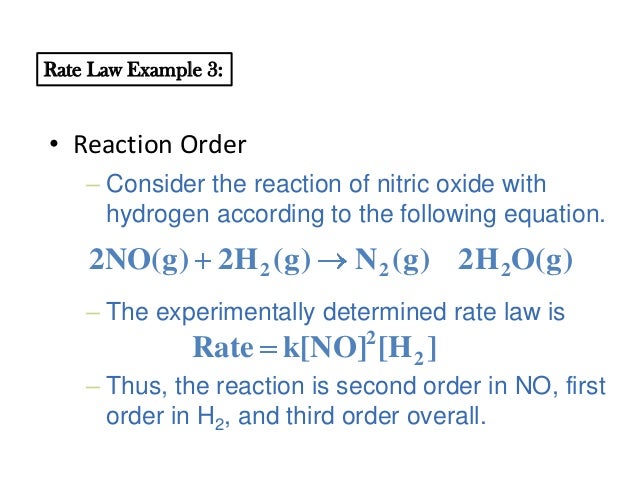
8.1 rate law
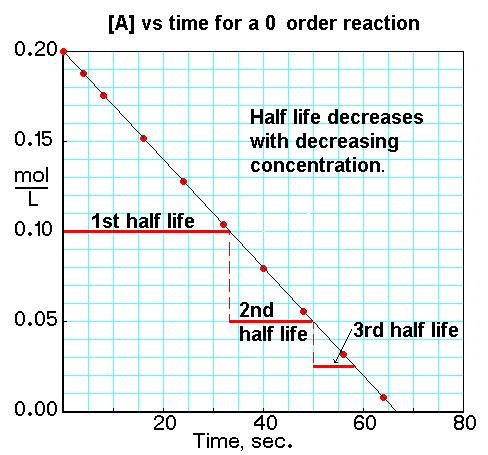
Unit 9:Chapter 14 Chemical Kinetics - Shaker Hts HS AP ...

Chapter 14 Lecture- Chemical Kinetics
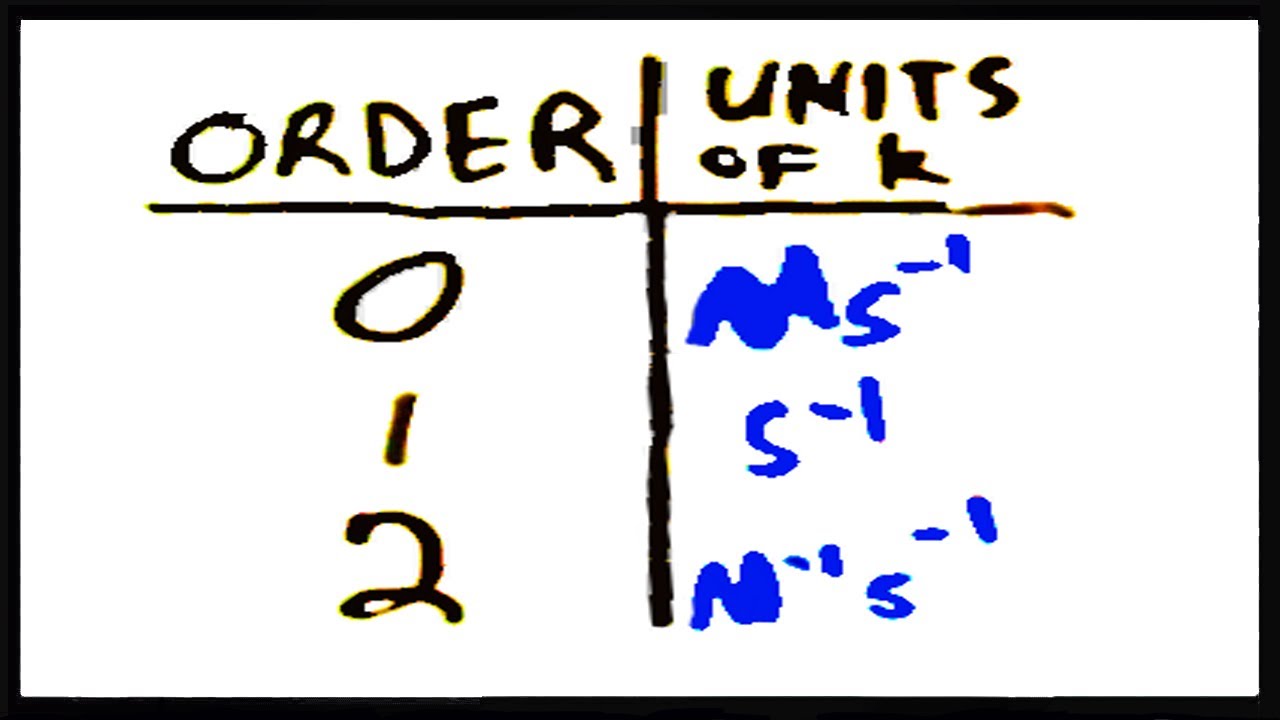
Units of k for Zero, 1st, and 2nd Order Reactions - YouTube

The three fourth of a first order reaction is completed in ...
The expression for the reaction quotient, Q, looks like that used to calculate an equilibrium constant but Q can be calculated for any set of conditions, not just Q can be used to determine which direction a reaction will shift to reach equilibrium. Factors Influencing The Rate Of Reaction. The units for k are whatever is needed so that substituting into the rate law expression affords the appropriate units for the rate.
0 Response to "K Units For Fourth Order Reaction"
Posting Komentar